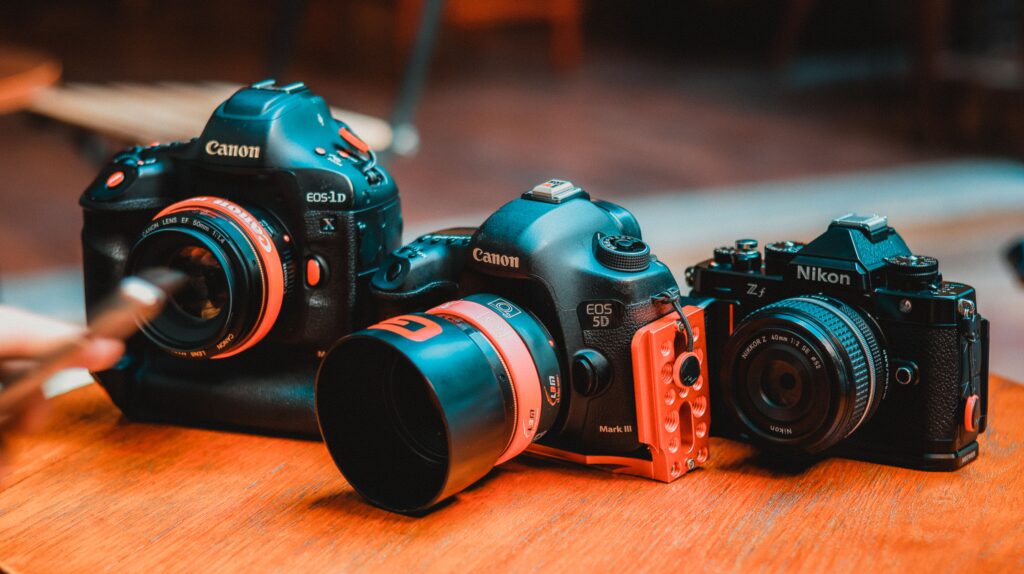
How to Choose the Right Camera for Photography
Choosing a camera can feel confusing when you are just starting photography. There are many camera types, features, lenses, and price ranges available. However, you do not need the most expensive camera to take beautiful photographs.
The right camera depends on your photography goals, experience, budget, and the type of pictures you want to capture.
1. Decide What You Want to Photograph
First, think about the type of photography you enjoy.
If you like portraits, you may want a camera that works well with different lenses. For travel photography, a lightweight camera can be more convenient. If you enjoy sports or wildlife photography, fast focusing and good zoom options can be useful.
Knowing your photography style makes the camera selection easier.
2. Understand Different Camera Types
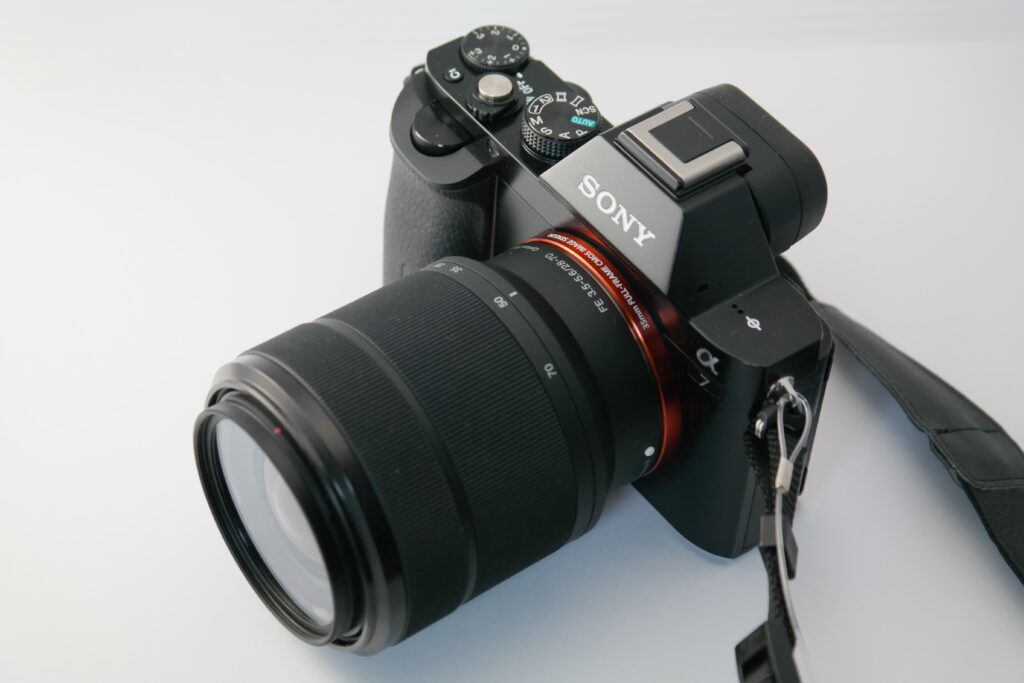
There are different types of cameras available for photographers.
DSLR cameras are popular because they offer interchangeable lenses and manual controls.
Mirrorless cameras are usually more compact and offer many modern features. They are also available in different price ranges.
Compact cameras are smaller and simple to carry, making them useful for everyday photography.
Smartphones are another convenient option, especially for beginners who want to practice before buying a dedicated camera.
3. Consider Your Budget
Set a budget before looking for a camera. Remember that the camera body is not the only expense.
You may also need lenses, a memory card, batteries, a camera bag, and other accessories.
A good approach is to choose equipment that fits your current needs instead of buying everything at once.
4. Think About the Lens
The lens has a major effect on the appearance of your photographs. Different lenses are designed for different purposes.
A wide-angle lens can be useful for landscapes and large spaces. A portrait lens can help create attractive portraits with a soft background. A zoom lens can be helpful when you need to photograph subjects from a distance.
Before buying a camera, check which lenses are available for it.
5. Check the Camera Size and Weight
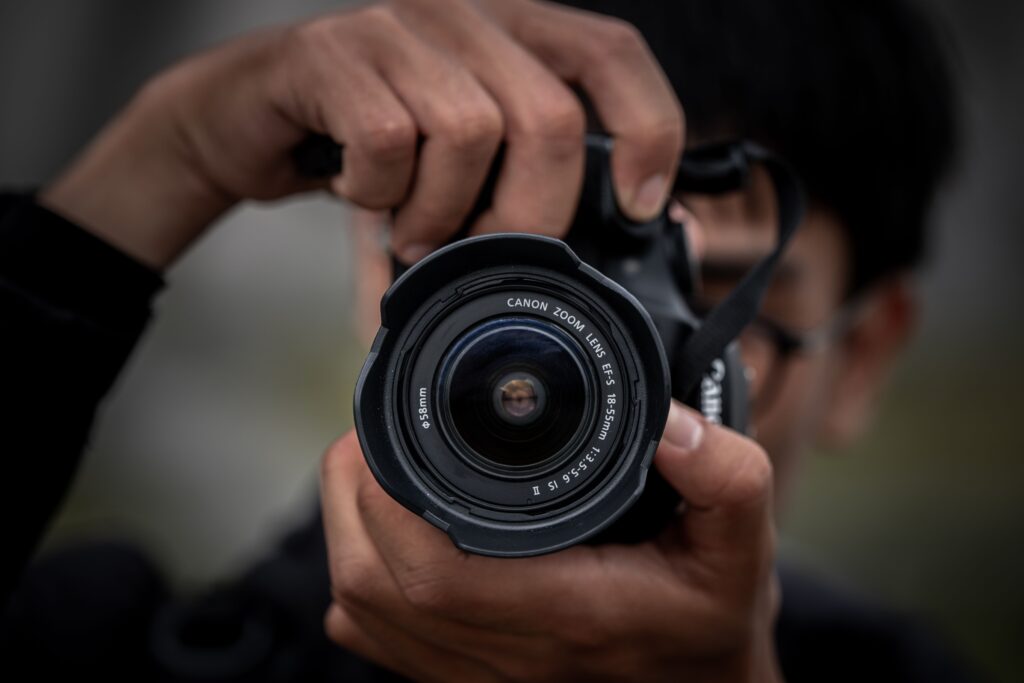
If you travel frequently or take photographs for long periods, camera size and weight can matter.
A camera that feels comfortable in your hands is easier to use regularly. Visit a camera store and hold different models if possible.
Comfort can be just as important as technical features.
6. Look at Important Features
Beginners do not need to understand every technical specification. Start by checking basic features such as autofocus, image quality, battery life, video capability, and available shooting modes.
As you gain experience, you can learn more about advanced camera features.
7. Think About Your Future Needs
Try to choose a camera that can support your photography journey as your skills improve.
Interchangeable-lens cameras can be useful because you can change lenses as your photography style develops. This can help you explore different types of photography without replacing the entire camera system.
8. Read Reviews and Compare Options
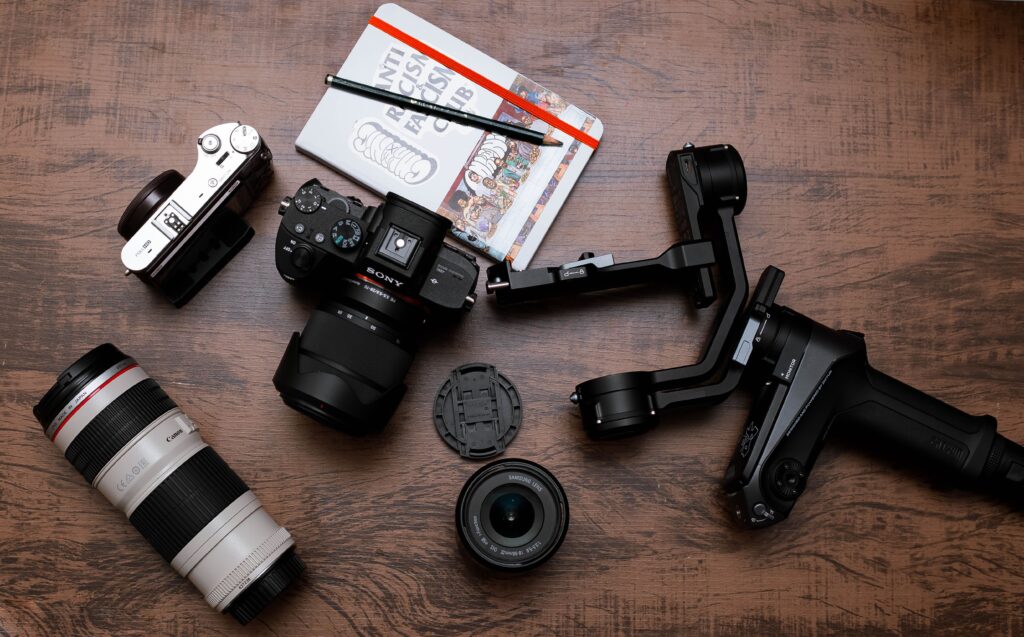
Before making a purchase, compare a few cameras instead of choosing the first one you see.
Read reliable reviews and look at sample photographs. Pay attention to real-world usability rather than focusing only on specifications.
Final Thoughts
There is no single camera that is perfect for everyone. The best choice depends on what you want to photograph, how often you plan to use the camera, and how much you want to spend.
Take your time, understand your needs, and choose equipment that helps you enjoy photography and improve your skills.